
Mercury in Ashwini Nakshatra
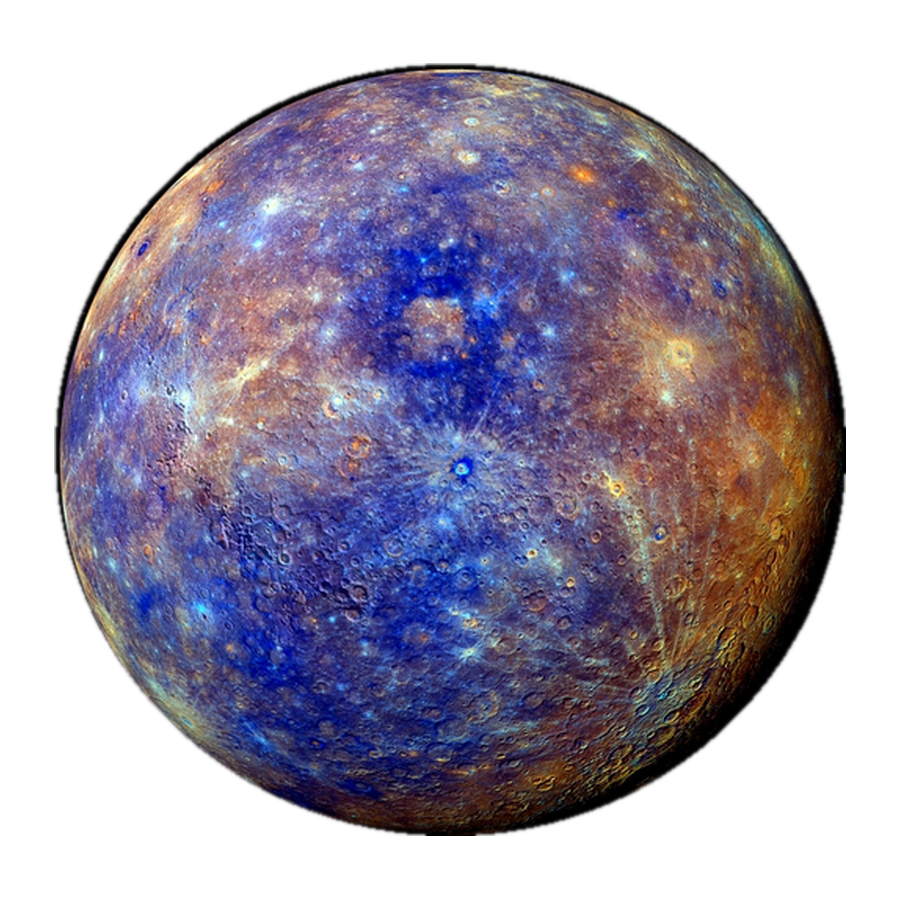
Mercury in Ashwini Nakshatra gives the Mercury a more specific tone than sign alone. Ashwini is ruled by Ketu, symbolized by horse’s head, meaning "Born of a Horse" or "Horsewoman", and it can color the planet with themes like act before thinking, childlike, courageous, and entrepreneur. This page focuses on that combination, not a generic meaning of Mercury or Ashwini.
What This Placement Can Show
The nakshatra shows texture, instinct, story, and pattern. With Mercury in Ashwini, the planet does not just express through a sign; it expresses through a particular lunar mansion. This can make the placement feel more specific, especially around motivation, memory, emotional tone, timing, and the repeating patterns you notice in real life. At a glance: ruler: Ketu; deity: Ashwini Kamaras - the golden armored horse-headed twins of ancient Vedic lore who performed many miracles as the physicians of the celestial gods; shakti: Healing.
Favorable Expressions
At its best, Mercury in Ashwini Nakshatra can show quick and adaptable mindset. In the VAM source notes, the favorable expressions include:
- Quick and adaptable mindset.
- Strong communication skills.
- Versatile and agile thinking.
- Innovative and problem-solving abilities.
- Energetic and curious nature.
- Capacity for learning and grasping new concepts swiftly.
Challenging Expressions
When stressed or unconscious, Mercury in Ashwini Nakshatra can show tendency towards restlessness and impatience. This is not here to label the placement as bad; it shows what to notice and work with.
- Tendency towards restlessness and impatience.
- Potential for scattered focus.
- Overthinking or excessive nervous energy.
- Difficulty maintaining depth in discussions.
- Prone to impulsiveness in decision-making.
- Challenges in sustaining long-term focus.
How To Work With It
Work with Mercury in Ashwini Nakshatra by supporting the Mercury part of your chart through writing, mantra, focused study blocks, mindful speech, alternate nostril breathing, and reducing scattered inputs. Then watch the Ashwini pattern in real life: lean into the favorable expression when it is present, and treat the challenging expression as useful feedback rather than a fixed identity.